How UK Players Can Safely Choose a Crypto Casino in 2026: A Complete Guide to Licensing, Security, and Fair Play
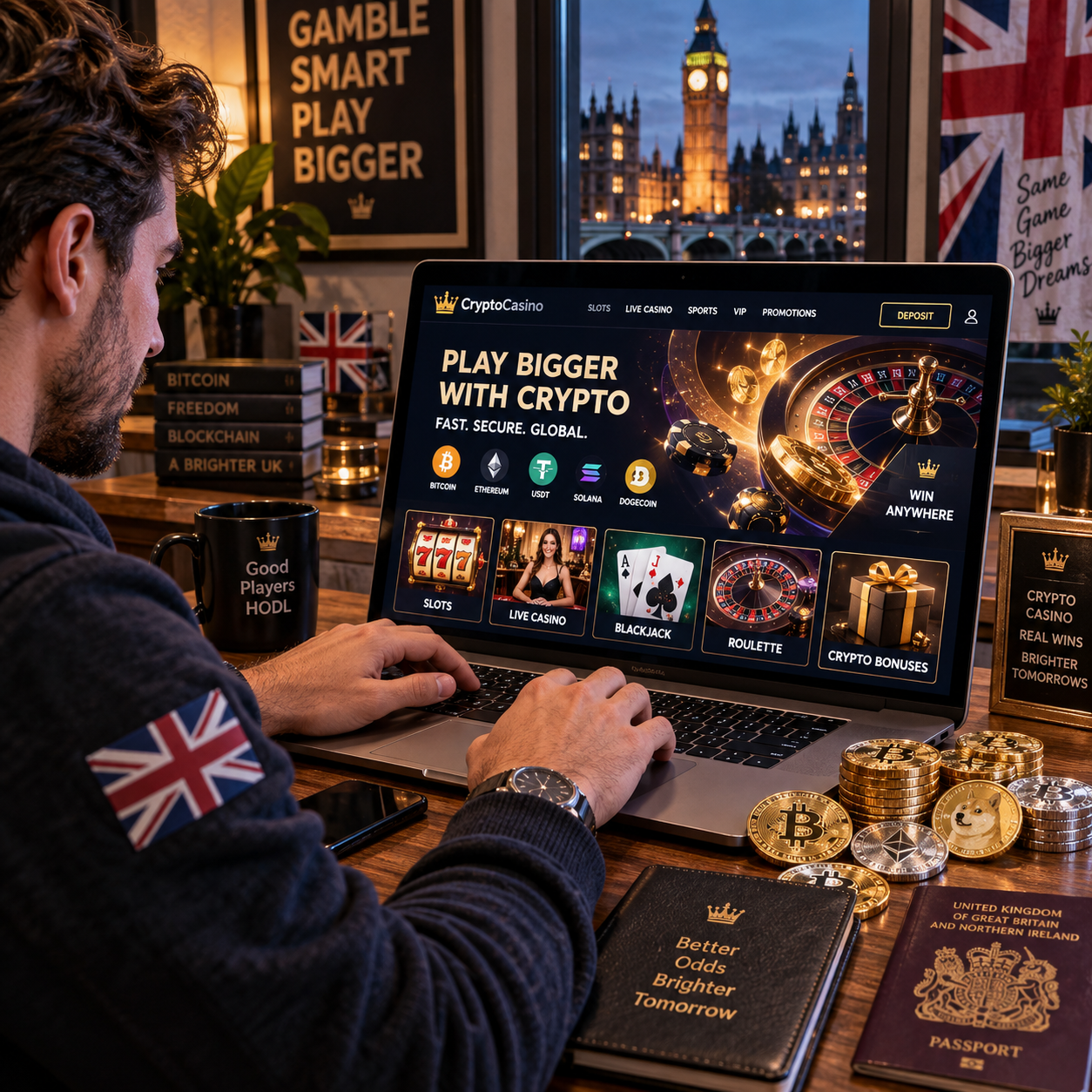
I've spent a fair amount of time over the past year testing out crypto gambling platforms, mostly out of curiosity but also because I kept hearing from mates that traditional online casinos felt slow and clunky by comparison. If you're a UK player who's been eyeing crypto casinos but isn't quite sure where to start, this guide should help you separate the legitimate operators from the ones you'd want to avoid entirely.
What Is a Crypto Casino and How Does It Work?
At its core, a crypto casino is exactly what it sounds like—an online gambling platform that lets you deposit, wager, and withdraw using cryptocurrencies like Bitcoin, Ethereum, or stablecoins such as USDT. Instead of linking your debit card or bank account, you connect a crypto wallet and fund your balance directly on-chain. Some platforms are crypto-only, meaning they don't touch traditional currency at all, while others are hybrid sites that let you switch between GBP and crypto depending on your preference.
The mechanics behind the scenes aren't wildly different from a standard online casino. You've still got slots, table games, live dealers, and sportsbooks. What changes is the payment rail underneath it all, and honestly, once you get used to it, the whole process feels noticeably quicker.
Why UK Players Are Turning to Crypto Casinos in 2026
I think the appeal boils down to a handful of practical benefits. Withdrawals that used to take three to five business days on a traditional site can clear in minutes on a crypto platform. Transaction fees are often lower too, since you're bypassing traditional banking intermediaries. There's also a privacy angle—your wallet address doesn't carry the same personal footprint as a bank statement, which appeals to players who'd rather keep their gambling activity separate from their everyday finances.
Then there's provably fair gaming, which I'll get into more later, but it's essentially a way to mathematically verify that a game wasn't rigged. That level of transparency simply doesn't exist on most conventional casino sites.
Is It Legal for UK Players to Use Crypto Casinos?
This is the question I get asked most often, and the honest answer is nuanced. The UK Gambling Commission (UKGC) hasn't banned crypto gambling outright, but it also hasn't rolled out a dedicated licensing framework specifically for crypto-native operators. Most crypto casinos serving UK players operate under offshore licenses rather than a UKGC one. That doesn't make them illegal for you to use, but it does mean the level of consumer protection you'd get from a UKGC-regulated site isn't automatically guaranteed.
In practice, this means you carry more responsibility for vetting the operator yourself. It's not illegal to play, but it's on you to check whether the site you're using operates responsibly and holds a legitimate license from somewhere.
Understanding Licensing Jurisdictions
Licenses aren't all created equal. The UKGC remains the gold standard for player protection, dispute resolution, and mandatory responsible gambling tools, but very few crypto-first operators hold one. The Malta Gaming Authority (MGA) is another respected body with strong compliance standards. Curaçao eGaming licenses are far more common among crypto casinos and, while historically seen as a lighter-touch regulator, the jurisdiction has tightened its requirements significantly in recent years following reforms introduced in 2023 and 2024.
My advice: don't dismiss a Curaçao-licensed site outright, but do check when the license was issued and whether the operator publishes its license number transparently on the site footer. If you can't find it, that's a red flag.
Key Security Features to Look For

Security is where crypto casinos genuinely differentiate themselves, for better or worse. Look for SSL encryption on every page, not just the login screen. Two-factor authentication should be standard, not an optional add-on buried in account settings. Reputable platforms also store the majority of user funds in cold wallets—offline storage that's far less vulnerable to hacking than hot wallets connected to the internet.
Smart contract audits are another thing worth checking, especially if the platform runs any on-chain betting logic. An audit from a recognized blockchain security firm means independent experts have reviewed the code for vulnerabilities. Players exploring emerging, security-focused platforms might consider a crypto casino like tonventures.io, which emphasizes verifiable blockchain transactions and audited fairness mechanisms as part of its safety framework. That combination of transparency and technical rigor is exactly what I'd want to see before trusting a platform with my funds.
How to Verify Provably Fair Gaming
Provably fair systems use cryptographic hashing to let you confirm, after the fact, that a game's outcome wasn't manipulated. Before you place a bet, the casino generates a 'server seed' and shows you its hashed version. Combined with a 'client seed' you can influence yourself, this creates a result that's mathematically impossible to alter after the fact without detection. Most platforms offering this feature include a built-in verification tool, or you can run the hash through an independent third-party checker. It sounds technical, but in practice it just takes a couple of clicks once you know what you're looking for.
Choosing a Trustworthy Crypto Casino: A Step-by-Step Checklist
Here's the checklist I personally run through before depositing anywhere new:
- Confirm the license number and cross-check it against the regulator's public database
- Read the full terms and conditions, especially the wagering requirements on bonuses
- Check withdrawal limits and processing times listed in the FAQ or terms
- Search community forums like Reddit or Trustpilot for recent player reviews
- Contact customer support with a real question and gauge response time and quality
- Verify that provably fair tools are actually functional, not just advertised
None of these steps take more than twenty minutes combined, and they've saved me from a couple of sketchy sign-ups already.
Common Mistakes UK Players Should Avoid
The biggest mistake I see is players skipping KYC verification altogether or getting frustrated when a platform asks for it. Legitimate crypto casinos still need to comply with anti-money laundering regulations, so if a site never asks for identity verification, that's actually more concerning than reassuring.
Chasing oversized welcome bonuses is another trap—if the wagering requirement is 50x or higher, you're unlikely to ever withdraw the bonus funds anyway. I'd also caution against funding your account through unregulated peer-to-peer exchanges, since those transactions offer little recourse if something goes wrong. Finally, don't skip setting deposit limits or self-exclusion tools just because you're playing with crypto instead of cash. The house edge doesn't care what currency you're using.
Responsible Gambling in the Crypto Era
UK-based support services like GamCare and BeGambleAware are still relevant even if you're gambling with crypto. Reputable crypto casinos build in the same responsible gambling tools you'd expect elsewhere—deposit caps, session time limits, reality checks, and self-exclusion options. The technology underneath might be different, but the fundamentals of gambling responsibly don't change. If anything, I'd argue it's more important to set limits proactively with crypto, since the speed of transactions can make impulsive betting easier.
FAQ – Crypto Casinos for UK Players
Can UK players legally withdraw crypto winnings?
Yes, there's no law preventing UK residents from withdrawing crypto winnings, though you should keep records for potential tax reporting purposes.
Are crypto casinos taxed differently?
Gambling winnings themselves remain tax-free for UK players regardless of currency, but converting crypto to fiat may trigger capital gains considerations depending on your overall crypto holdings.
What happens if a crypto casino becomes insolvent?
This is a real risk, which is why checking licensing and fund segregation practices matters. Without UKGC oversight, recovering funds from an insolvent offshore operator can be difficult.
How do exchange rate fluctuations affect winnings?
Crypto values can shift significantly between when you win and when you cash out, so some players convert winnings to stablecoins quickly to lock in value.